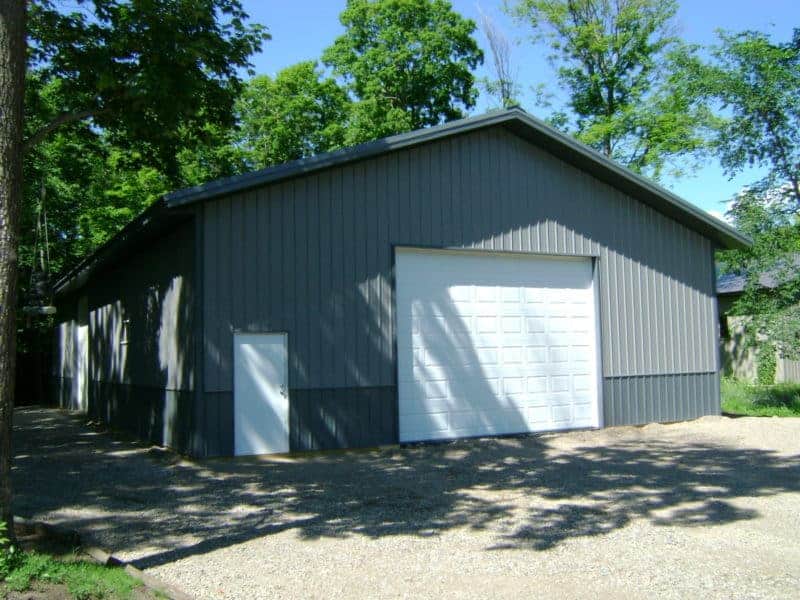
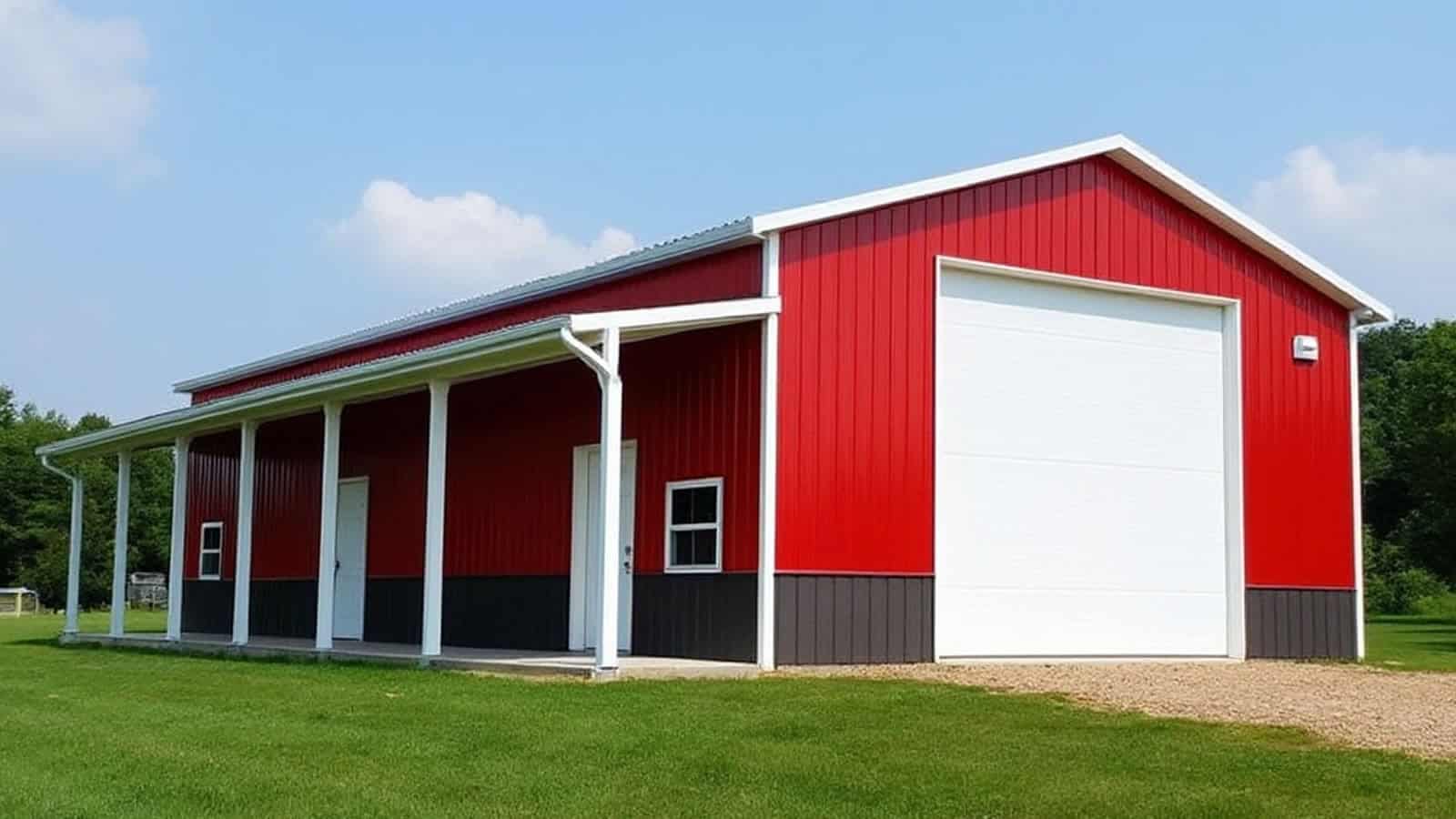
Choosing the right pole barn size is important for the success of your construction project. In this guide, we explore different dimensions and features to help you make an informed decision and ensure your barn meets all your needs.
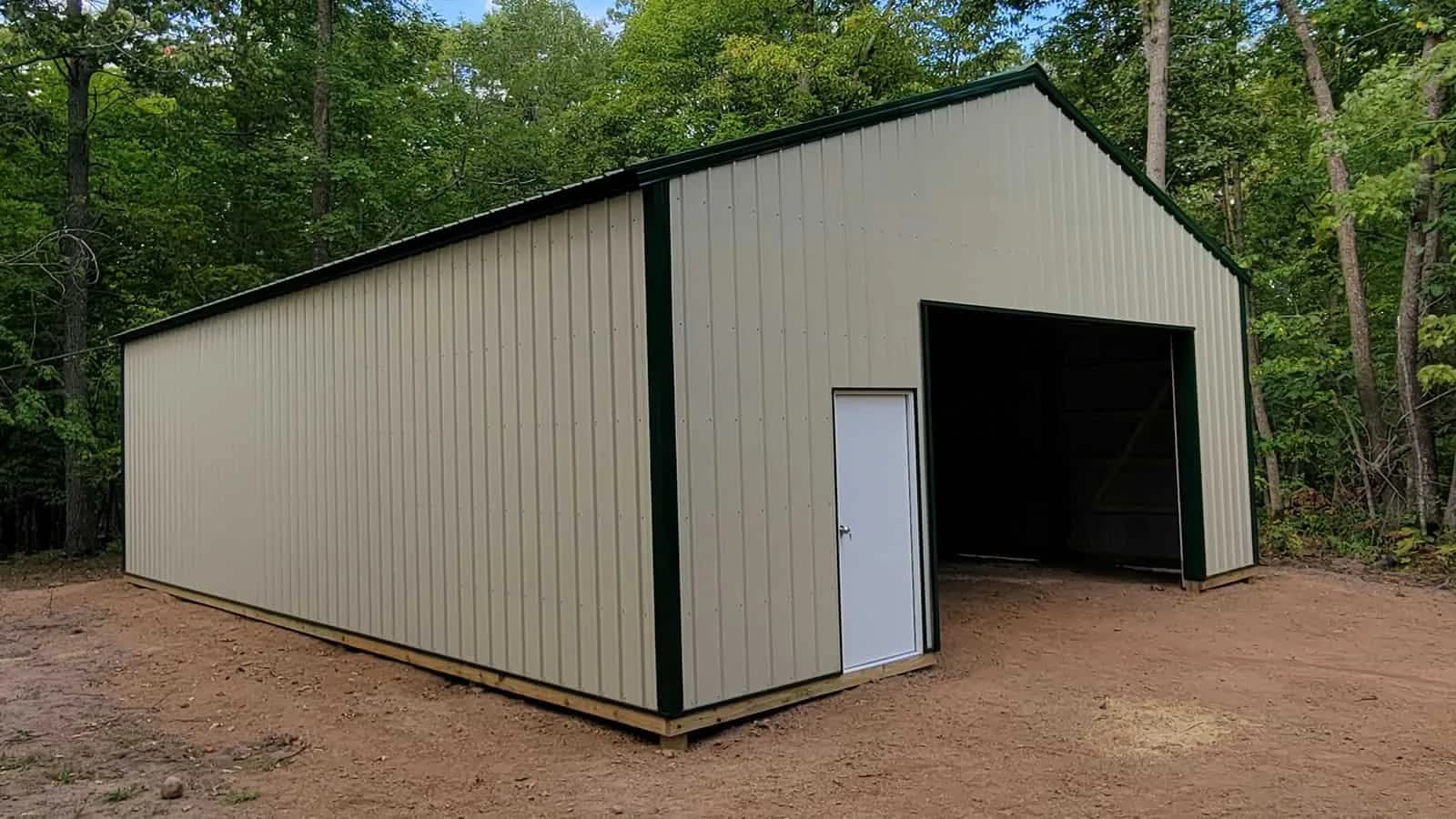
Understanding Pole Barn Sizes
Pole barn sizes play an important in the functionality and capability of your building project. Whether you're constructing a barn for agricultural purposes, setting up a spacious workshop, or even designing a residential area, choosing the right size can significantly impact utility and affordability. A pole barn's size is not just about its physical dimensions; it reflects the purpose it serves, and the building features it accommodates. Common pole barn sizes range from modest single-car garages to expansive structures capable of housing large equipment or livestock. Each size has its typical uses, with smaller barns often serving as storage units or small workshops, while larger sizes are perfect for agricultural and commercial applications.
Several main factors influence the choice of pole barn sizes. First and foremost is the intended purpose of the structure. For instance, a barn intended for vehicle storage will have different sizing requirements compared to one designed for livestock. Space availability is another important consideration; the area you have available will naturally dictate the maximum dimensions of your barn. Additionally, building features such as door placement, insulation, and interior layouts can affect the optimal size. Understanding these elements will help you select from the common pole barn sizes available, making sure that the final build is both practical and economical.
Exploring Standard Pole Barn Dimensions
When it comes to standard pole barn sizes, understanding the most common dimensions can greatly aid in planning your project. These standard sizes have been developed to cater for a wide range of applications, guaranteeing that each pole barn successfully meets its intended purpose. For instance, a 24x24 foot barn is a popular choice for small storage units or workshops, providing ample space for tools and equipment while remaining compact enough to fit in most residential backyards. On the other hand, a 30x40 foot structure is often chosen for larger workshops or as a multipurpose barn, accommodating everything from vehicle storage to small-scale farming operations. These standard pole barn sizes not only provide a foundation for functionality but also influence the overall design and building features of the barn.
The specific building features you require can further dictate the most suitable standard pole barn size for your needs. For example, if your barn needs to house large agricultural equipment, you might consider a 40x60 foot design, which offers spacious interiors and the possibility of adding wide doors for easy access. Similarly, insulation needs or the desire for additional rooms or storage lofts can impact size choices. Each dimension supports various building purposes, from simple shelter to complex commercial facilities. By aligning standard pole barn sizes with your unique building features, you ensure that your barn is not only functional but also tailored to your specific requirements, optimizing both space and cost.

Pole Barn Size Comparison for Various Applications
Conducting a pole barn comparison helps you choose the right size for your project, whether it’s for your home, farm, business, or storage needs. Each pole barn size comes with its unique set of advantages, designed to cater to different needs. For residential purposes, a smaller pole barn size, such as 20x30 feet, might be perfect for a cozy guest house or a personal workshop. These sizes offer enough space for comfortable living or working conditions while still being economical on land use. Agricultural applications often demand larger pole barn sizes, like 60x120 feet, to accommodate tractors, hay storage, or even livestock. Such expansive dimensions are necessary for operational functionality and provide ample customization options to include additional features like feeding troughs or partitioned storage areas.
Commercial pole barns, on the other hand, benefit from a balance between size and functionality. A 40x80 foot pole barn might be perfect for a retail space or an office building, offering the flexibility to divide the interior into multiple rooms or open spaces depending on business needs. Storage-specific pole barns can vary significantly in size, depending on what is stored. For instance, a 30x30 foot barn might suffice for general household storage or a small collection of vehicles, whereas a larger 50x100 foot structure would be necessary for industrial storage purposes. This comparison highlights how the right dimensions can provide the perfect blend of space and functionality, ensuring that each barn is not just a building but a customized solution for its intended use, with numerous customization options available to suit any specific requirements.
Selecting the Perfect Pole Barn Size for Your Project
Choosing the right pole barn size for your project means thinking about what you need and what features will work best for you. Begin by clearly identifying the primary purpose of your pole barn, whether it's for residential use, agricultural needs, commercial operations, or storage. Once you've determined the primary function, evaluate the standard pole barn sizes that align with these needs. Consider the space you have available and any limitations it might impose on your choices. Consider the features you want in your building—like door sizes, insulation, and interior layout—as these will help determine the best size for your project.
Next, compare your needs with the standard pole barn sizes to find the dimensions that fit your project best. It's important to think about future needs as well, ensuring that the barn will be versatile enough to accommodate potential changes in use. While standard sizes provide a good starting point, remember that customization is always an option with Sherman to tailor the barn to your exact specifications. Finally, consult with our professionals who can offer expert advice and ensure that your pole barn is built to the highest standards. By following these steps and using professional guidance, you can confidently choose the pole barn size that will provide optimal functionality and satisfaction for your project.
Frequently Asked Questions
What sizes do post-frame buildings come in?
Width follows the engineered truss span. Prescriptive post-frame design guidance from the USDA works its examples at 40, 50 and 60 foot spans, and length is far more flexible because the building simply adds bays. Eave heights are commonly 12, 16 or 20 feet.
How is the length determined?
By bay spacing. Columns are typically 8 to 12 feet on center with trusses at 4 feet on center, so length grows in increments rather than continuously. That is why a builder may propose a length slightly different from the round number you had in mind.
Should I build bigger than I think I need?
Owners who regret their size almost always wish they had gone larger. Extra length is generally the least expensive square footage you will ever add, while extra width is set by the truss span and is expensive to change after the fact.
Does a larger building need deeper footings?
Frost depth is set by location, not by building size. Minnesota Rule 1303.1600 sets a 60 inch minimum footing depth in Frost Zone I, which covers most of central and northern Minnesota, and 42 inches in Zone II to the south. Size affects footing diameter and column loading rather than how deep the holes go.