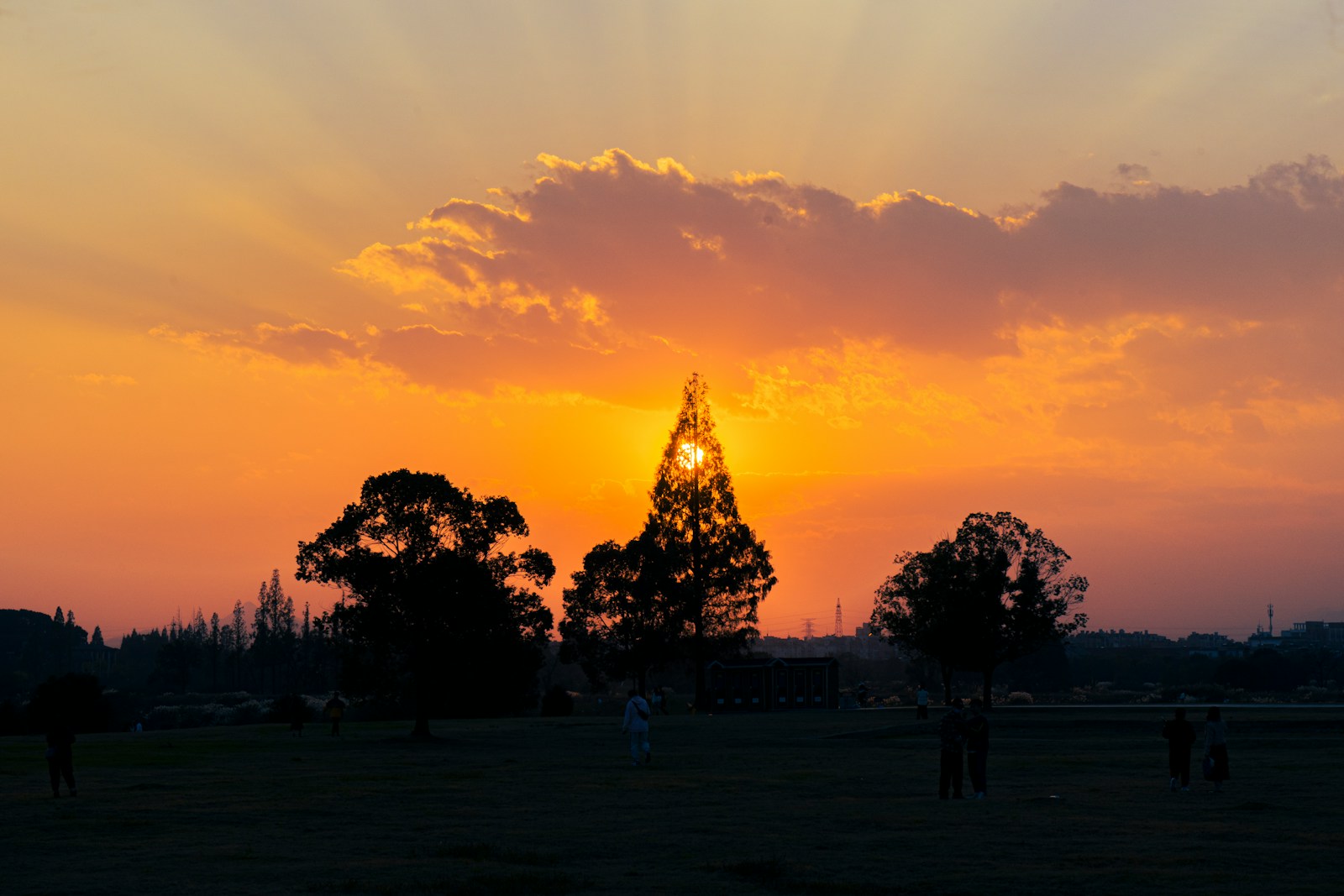
Howdy folks — Glen Blamstead here, reporting from Mora, where the coffee is strong, the ground is doing its annual impression of a wet sponge, and it is April first, which means somebody on a jobsite somewhere in this country is currently doing something they think is very clever.
I hope it goes better for them than it went for me.
I have been in post-frame construction for going on fifty years, which means I have accumulated a number of things: a bad knee, a strong opinion about column depth, and a catalog of jobsite pranks that range from genuinely inspired to deeply regrettable. Today, in the spirit of the occasion, I am going to tell you about one of them.
I am not going to tell you which side of it I was on. That information is staying with me.
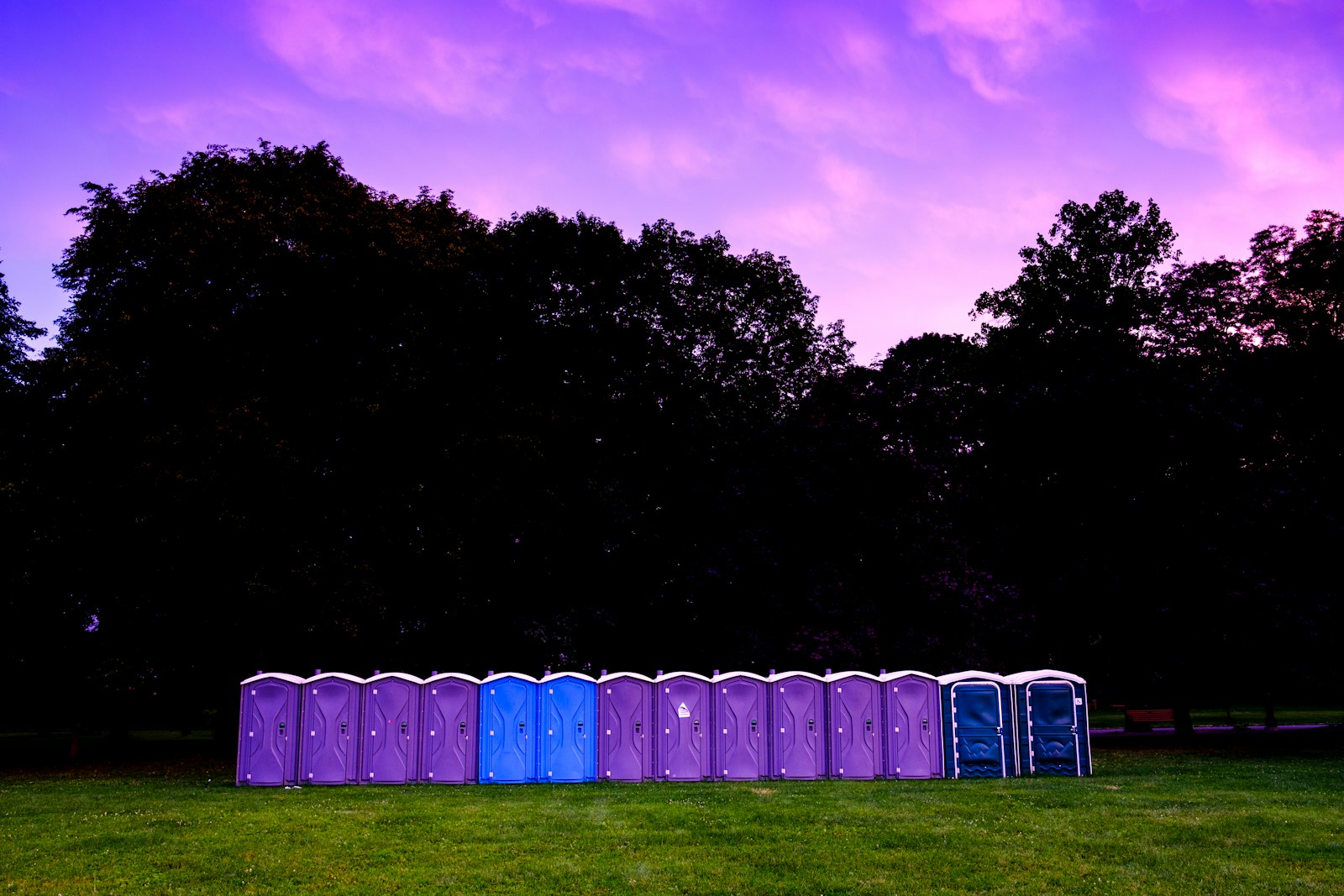
What I will tell you is that it involved a porta-potty, a length of rope, a co-worker who had it coming, and a level of coordination that, in retrospect, we should have applied to the actual work we were supposed to be doing that morning.
The Setup
Here is what you need to understand about a jobsite in the 1980s. There was no HR department. There was no sensitivity training. There was a foreman, there was a crew, there was a cooler with lunch in it, and there was a collective understanding that if you left yourself open, something was going to happen to you eventually.
Our guy — I will call him Dave, because that is not his name — had been leaving himself open for weeks. He was the kind of worker who was very confident about where things were, how long things would take, and what the right way to do something was. He had opinions. He shared them. Frequently.
We had been waiting for the right moment.
April first arrived like a gift.
The plan was simple. The porta-potty was positioned near the tree line, as they often are, a modest distance from the work area. Dave took a break at approximately the same time every morning. This is the thing about confident people — they are also, frequently, creatures of habit. Predictable. Fully scouted.
I will not go into the specifics of what happened next, except to say that it involved the rope, timing, and three grown men crouched behind a flatbed truck, trying very hard not to make any noise.
What Actually Happened
It did not go the way we planned.
The fundamental problem — and I have thought about this more than I probably should have over the past four decades — was that we had spent a great deal of time on the prank itself and almost no time on what happened after. We had planned the setup. We had not planned the exit. We had not accounted for the foreman coming around the corner at the precise wrong moment. We had not accounted for the rope getting tangled on the trailer hitch. We had not accounted for Dave being considerably more athletic than any of us had given him credit for.
What we had, in the end, was a situation. A complicated one. With witnesses.
Dave was fine. The porta-potty was fine, more or less. The foreman's opinion of us was not fine, and it remained not fine for a period of time that I would describe as instructive.
My wife just read this over my shoulder and asked why I said I wasn't going to say which side I was on. I told her I was maintaining journalistic integrity. She went back to the kitchen. I'm going to keep going.
The Thing About Unplanned Consequences
Here is where I am going with this, and I promise it is worth the trip.
A jobsite prank fails the same way a poorly planned building fails. Not at the dramatic moment — not when the thing actually happens — but in the aftermath. In the part nobody thought through. In the consequences that follow the setup, when everyone is committed, and there is no version of events where you are not holding the rope.
I have seen the same pattern in construction more times than I can count. Someone gets a plan in their head. The plan feels solid. The plan makes sense at the planning stage, when everything is still hypothetical because nothing has happened yet. They commit to it. They start moving forward on it.
And then the ground does something unexpected. Or the site doesn't drain the way they assumed it would. Or the span is wider than the original specs accounted for, and now we are having a different conversation than the one we thought we would have.
The building equivalent of three guys behind a flatbed truck hoping for the best is a construction project where the assumptions haven't been tested. Where someone said, "That'll probably work," and everyone nodded and moved on because the detail was inconvenient to examine.
"Probably" is not a load-bearing word.
What Dave Taught Me Without Meaning To
Dave, to his credit, handled the whole thing with more composure than we deserved. He also double-checked everything we told him for the rest of that job. Measured things himself. Asked follow-up questions. Verified before he committed.
At the time, I found this annoying. In retrospect, Dave had arrived at a professional philosophy that has served me well for fifty years: trust but verify, and if someone is crouching behind a truck, find out why before you open the door.
Good construction runs on that same principle. You do not take the site conditions on faith. You do not assume the soil report from the neighboring property applies to yours. You do not look at a slope and decide it drains well just because it looks like it probably does.
You check. You measure. You ask the question that feels unnecessary until the moment it turns out to be the only question that mattered.
Dave figured that out on April first, 1987, in a way that stuck. Some lessons land harder than others.
The Foreman's Version of This Story
I should tell you that the foreman's version of this story is different from mine in several key respects, and that he is no longer in a position to share it, which I recognize sounds alarming but simply means he retired to Arizona in 2003 and has better things to do than relitigate the porta-potty incident.
What he told us at the time — after the situation had been resolved, after the rope had been untangled, after Dave had dusted himself off with a dignity I still respect — was this: a crew that is clever enough to pull something like that is a crew that is wasting cleverness. Put it somewhere it counts.
I did not enjoy hearing that at the time. I have thought about it regularly for forty years.
Cleverness in construction is not about the setup. It is about seeing the problem before it arrives. About reading the site correctly on the first visit. About knowing which questions to ask before the footings go in, not after. That is where the ingenuity pays off. That is the prank that actually lands — where the joke is on the expensive mistake that never happened because someone thought it through in advance.
We've Been Thinking It Through Since 1976
Sherman Pole Buildings has been doing post-frame construction in central Minnesota for nearly fifty years. We have made our share of mistakes — though I will not be itemizing them here, partly out of pride and partly because the blog would get very long — and we have learned from enough of them to know exactly which corners are not worth cutting and which assumptions are not worth making.
If you are planning a pole building and you want a crew that has already survived its own porta-potty incident and come out the other side with some hard-won judgment, give us a call. We ask the right questions. We check the things that seem fine. We have learned, at some personal cost, to think through what happens after the setup.
And we no longer work with ropes anywhere near the porta-potty.
Until next time — think it through, check your assumptions, and on April first, watch where you're walking.
— Glen Blamstead