Winter doesn’t just impact roads and heating bills—it affects the performance and longevity of post-frame buildings, too. Snow buildup, freezing temperatures, and excess moisture can lead to hidden structural issues over time. Without the right design features and seasonal maintenance, minor winter-related issues can escalate into costly repairs. This article explains how cold weather affects post-frame structures and outlines steps to reduce damage, extend their lifespan, and maintain overall performance during the coldest months.
From the article, you will learn:
- What snow, moisture, and freezing temperatures do to post-frame buildings
- How to minimize winter damage with smart prep and upgrades
- Which parts of your building are most vulnerable in cold weather
- Tips for extending the life of your structure without major renovations
- Simple, preventive steps that reduce long-term repair costs
Cold Temperatures and Wood Posts: What Actually Happens?
Cold weather introduces a wide range of stress factors for post-frame buildings, particularly in areas where winter brings deep freezes and fluctuating temperatures. One of the most overlooked issues is the repeated freeze-thaw cycle that occurs throughout the season. These cycles cause the ground to expand and contract, disrupting the structure's alignment over time.
Even more critical is how moisture affects the wood posts. When snow and ice melt around the base of your building, the resulting moisture can seep into the ground and reach untreated or poorly protected posts. Over time, this exposure can lead to fungal growth, wood decay, and premature failure. Moisture retention in the ground also increases the risk of insects infesting softened wood.
To reduce the risk of winter-related damage:
- Ensure the base of your structure is well-drained and slightly elevated
- Avoid snow accumulation against exterior walls
- Use treated wood rated for ground contact and moisture exposure
Preventing long-term deterioration begins with understanding how moisture affects wood posts and the steps to protect them from recurring exposure.
Roof Design Matters in Harsh Winters
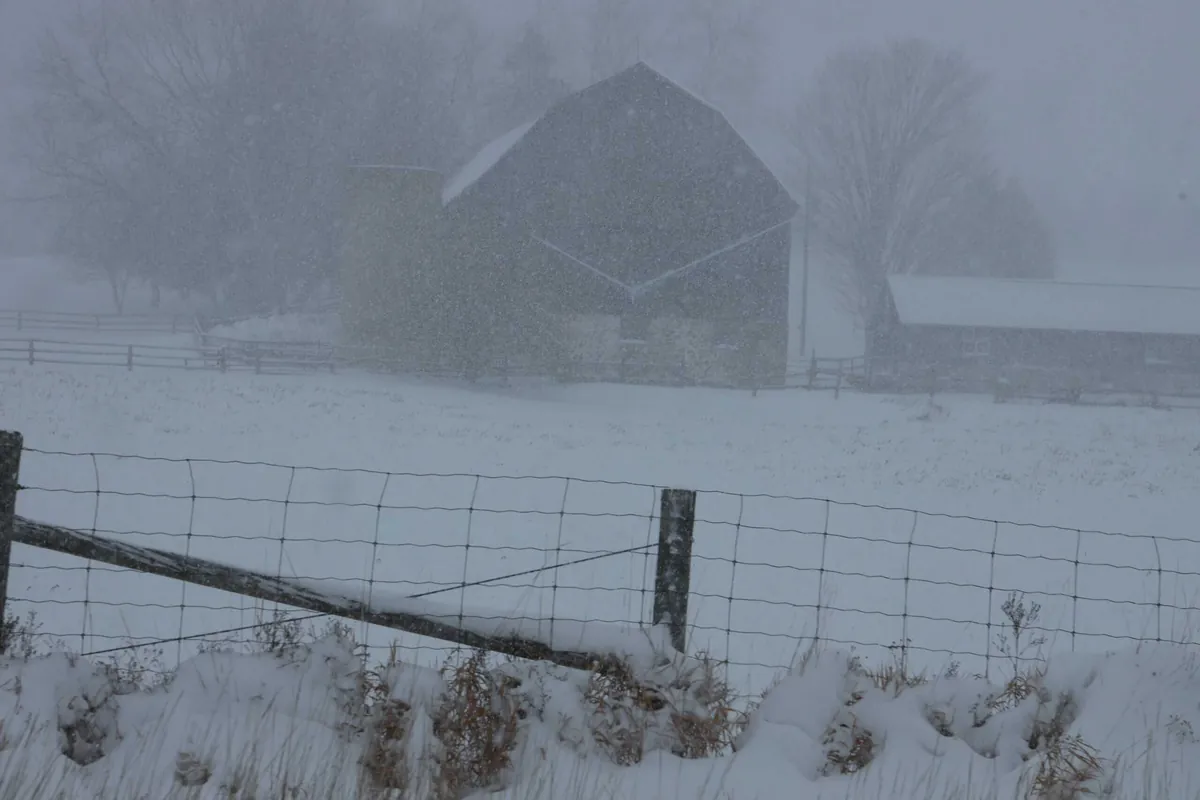
In regions with regular snowfall, the roof structure is one of the most important factors in a post-frame building’s durability. Snow that builds up on a roof can quickly become too heavy for older or inadequately supported structures. A well-designed roof should minimize the risk of sagging, leaks, or outright failure.
When evaluating how to protect a post-frame building from heavy snow, it’s worth reviewing the roof pitch and structural supports. High-pitched roofs naturally shed snow more efficiently than flat or low-slope roofs. Truss spacing and strength also play a major role in snow load performance.
Upgrades can include:
- Reinforced trusses or engineered roof systems
- Snow guards to control ice and snow movement
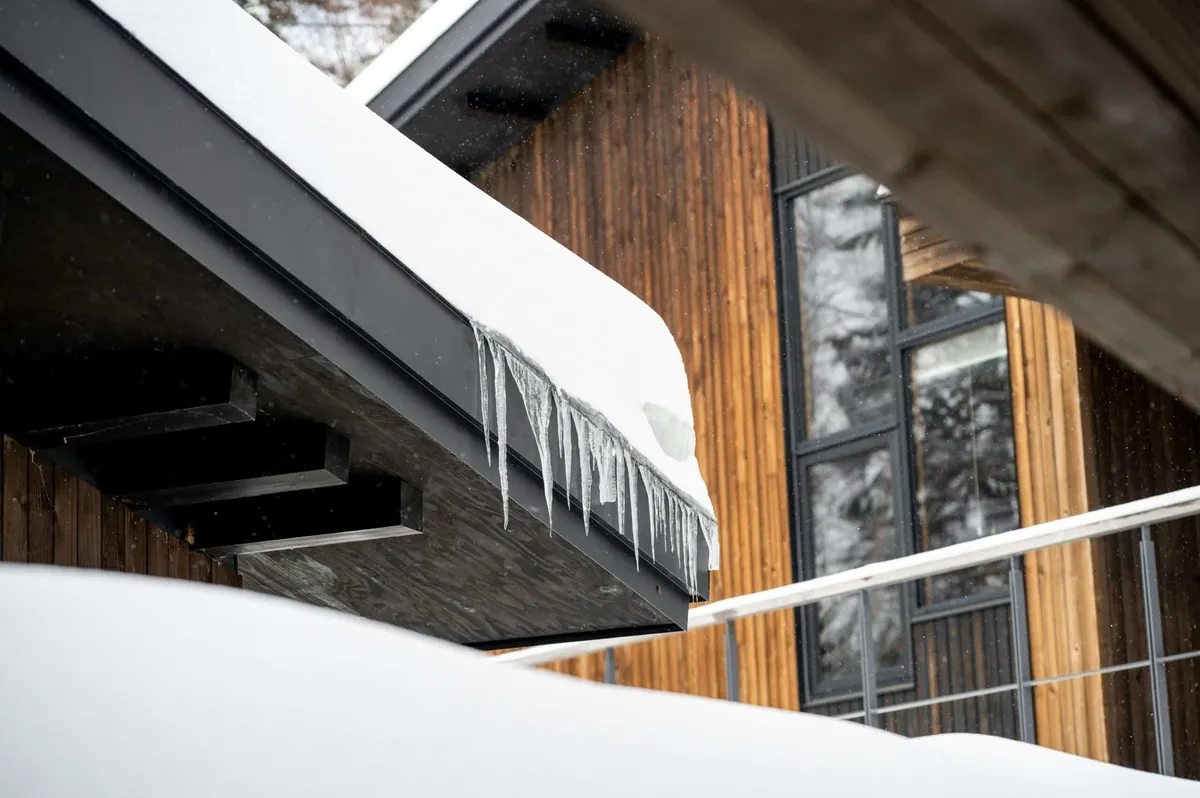
- Heated cables to prevent ice dams along the roof edge
Implementing the best snow-resilient roof upgrades improves safety and reduces long-term maintenance needs. It's an investment that can prevent thousands in future repair costs while improving overall performance.
The Role of Insulation in Winter Protection
Insulating a post-frame building is not just about staying warm. It plays a significant role in controlling interior moisture levels, preventing condensation, and preserving the structural integrity of the building materials. Without insulation, warm air inside the building can meet cold surfaces, causing condensation that may lead to mold or rot.
Quality insulation also helps protect equipment, livestock, and stored materials that may be sensitive to cold. For buildings in use throughout winter, this becomes a critical factor.
Proper insulation offers benefits such as:
- Reduced energy costs from improved temperature retention
- Better air quality with fewer drafts and condensation issues
- Prolonged life of wood framing and other organic materials
In short, insulation is a foundational component of winter readiness for post-frame buildings, especially when you want to avoid internal structural degradation or repeated exposure to fluctuating humidity.
Frozen Ground and Pole Barn Posts: What’s the Risk?
It’s a common concern among building owners: Does freezing weather damage pole barn posts? The answer is yes—especially if the foundation wasn't designed with proper frost protection. Posts that are not buried below the frost line can be lifted by expanding soil during freezing conditions, a phenomenon known as frost heave.
When the ground freezes, it expands, which can exert vertical pressure on post bases. Once the ground thaws, the posts may settle unevenly, leading to structural misalignment or permanent shifting. This not only affects the building's appearance but also compromises its load-bearing capacity.
To minimize this risk:
- Ensure posts are set well below the local frost line (commonly 4 to 6 feet)
- Use concrete encasements or frost sleeves to protect post bases
- Regularly inspect for heaving or cracks near foundation areas
Understanding that freezing weather can damage pole barn posts gives you the information needed to detect and fix problems before they escalate into expensive repairs.
Smart Seasonal Maintenance Makes All the Difference
Even a high-quality post-frame building requires upkeep. Taking proactive steps during the colder months can help avoid the gradual damage that builds up from neglect. Small issues such as ice dams, snow-covered vents, or blocked gutters can lead to water intrusion, rot, or premature wear.
The most effective winter maintenance for post-frame structures includes:
- Clearing snow from rooftops, especially near valleys and overhangs
- Inspecting flashing, fasteners, and joints for signs of movement or leaks
- Checking weather seals on doors and windows
- Keeping eaves, gutters, and downspouts clear of debris
Routine winter maintenance for post-frame structures is straightforward but crucial. When done consistently, it helps preserve the building's integrity and reduces the likelihood of costly structural interventions later.
When It’s Time to Repair or Upgrade
Even well-maintained buildings will eventually show signs of wear. If your post-frame structure is showing exterior fading, panel separation, roof leaks, or reduced insulation performance, it may be time to consider updates.
Rather than full reconstruction, many owners choose reroofing and reskinning. This option allows you to apply a fresh protective layer to your existing frame without the time and expense of building a new frame from scratch. It also adds value and improves weather protection.
Common signs that call for reroofing and reskinning:
- Rust or corrosion on the roof and siding panels
- Noticeable drafts or interior moisture
- Discoloration or sagging in roofing material
Whether the building is used for agriculture, equipment storage, or something else entirely, protecting its structure ensures it remains functional and durable for years to come.
Sherman Pole Buildings traces its history to 1976, when it began as a family construction company. Over the decades, we’ve gained deep expertise in post-frame construction while maintaining our core values of craftsmanship, honesty, and dependable service. Explore our wide range of general storage buildings to see how we build for strength and reliability in all seasons.
FAQ
How often should I inspect my post-frame building during the winter?
A thorough inspection every 3 to 4 weeks is ideal, particularly after large snowfalls or extreme cold spells. Check for signs of snow overload, water pooling, and ice damage. Don’t forget interior areas; condensation can also develop there.
Can accumulated snow actually damage a post-frame roof?
Yes, especially if the snow is wet and heavy. Excess snow weight can stress trusses, compromise fasteners, and, in rare cases, cause partial collapse. That’s why reviewing how to protect a post-frame building from heavy snow is essential before winter begins.
What arethe early signs that cold weather is damaging my building?
Look for warping near door frames, new gaps in siding, interior moisture stains, or shifting at the post base. These may signal that freezing weather is damaging pole barn posts or other structural elements.
Do I need insulation if I’m not heating the building?
Even unheated buildings benefit from insulation, as it reduces condensation, protects stored items, and maintains more stable internal temperatures. It can also minimize material expansion and contraction.
What’s included in a standard reroof and reskin project?
Reroofing and reskinning typically involve replacing panels, fasteners, and occasionally underlying supports. It improves both appearance and durability without a full rebuild.