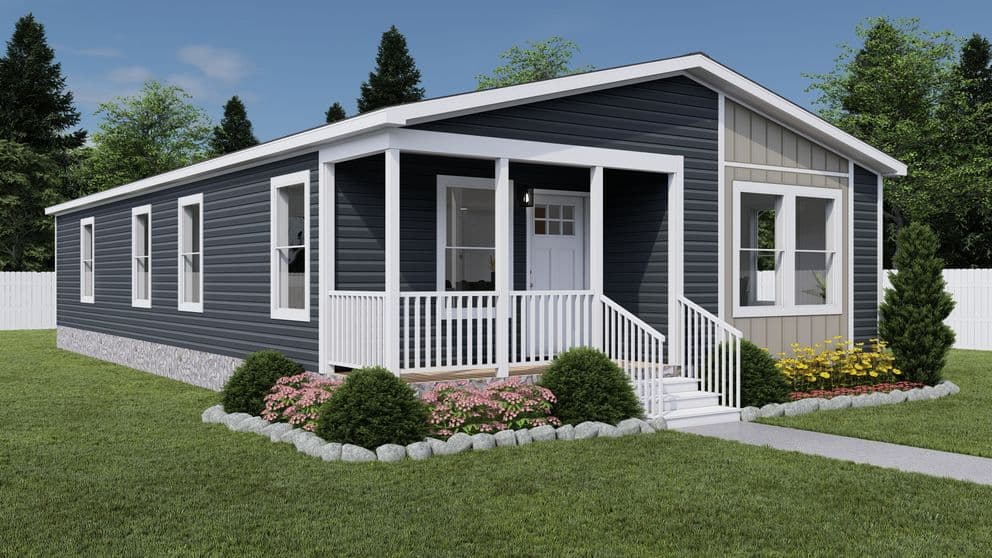
For many Minnesotans, the idea of building a new home arrives quietly — as a realization that the place you're living no longer fits the life you're living. Maybe you've outgrown your space, or you've finally found the land you've been waiting for, or you're simply ready for something built around your life rather than someone else's. Whatever the moment that brought you here, modular construction offers a path worth understanding — one that combines thoughtful craftsmanship with a process designed to reduce the uncertainty that makes homebuilding so daunting for many people.
In Minnesota, where the landscape is as varied as the people who call it home, modular construction has grown steadily as a preferred approach for buyers seeking quality, efficiency, and flexibility. It is not a shortcut. It is not a compromise. It is, for the right buyer, a remarkably intentional way to build.

What Modular Construction Actually Means
The term "modular home" is sometimes misunderstood, often confused with manufactured or mobile housing. The distinction matters. A modular home is built to the same local and state building codes as any site-built residence. It is constructed in climate-controlled sections, called modules, inside a factory, then transported to your property and assembled on a permanent foundation. Once complete, it is legally, structurally, and functionally identical to a traditionally built home.
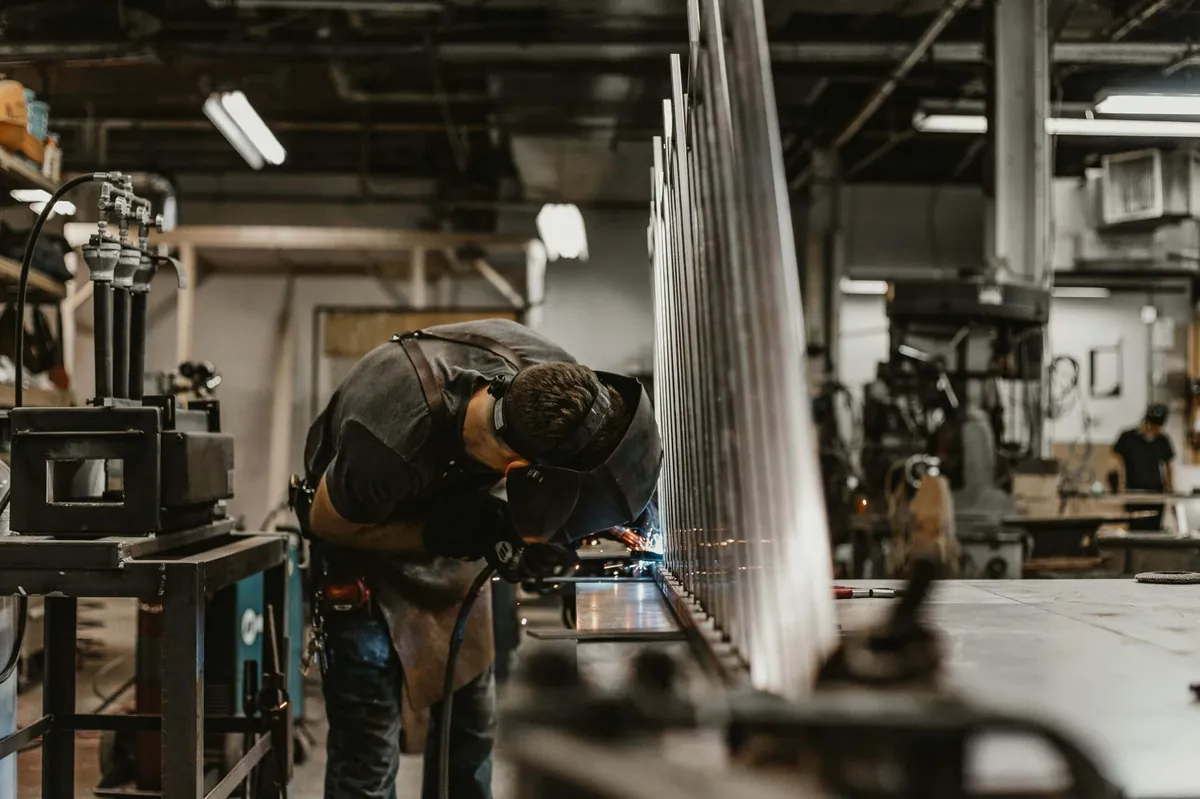
What sets the modular process apart is not the quality of the finished product — which meets the same construction standards — but the environment in which that product is built. Factory construction means materials are protected from the weather, crews work in controlled conditions, and quality checks happen at each stage of the process. For buyers in Minnesota, where the building season is compressed by winter and spring conditions, this controlled process offers real advantages in both timeline and predictability.
Why Minnesota Buyers Are Drawn to the Modular Model
Minnesota's climate is demanding, and its housing needs are correspondingly diverse. From the lake country of the north to the rolling agricultural land of the southwest, buyers are looking for homes that are not only beautiful but genuinely built to endure. Modular construction addresses this directly.
The factory setting enables precision in framing, insulation installation, and system integration that holds up well against Minnesota's extreme seasonal swings. Insulation is installed evenly and completely before walls are closed. Windows and doors are tested before modules leave the facility. Structural integrity is confirmed through inspection before delivery. For a state that regularly sees temperatures drop well below zero, these are not minor details — they are the conditions under which a home either performs reliably for decades or begins showing its vulnerabilities within years.
Beyond performance, Minnesota buyers are increasingly drawn to the design flexibility that modern modular construction offers. Floor plans today bear little resemblance to the limited options of earlier decades. Open-concept living spaces, vaulted ceilings, custom cabinetry, and thoughtful storage solutions are all available through the modular process. The notion that factory-built means generic has not reflected reality for some time.
The Financial Logic of Building Modular in Minnesota
One of the most compelling aspects of modular construction is its financial transparency. Because homes are built in a factory setting with standardized processes and pre-negotiated material costs, pricing is more predictable through much of the build. Buyers typically receive a more complete cost picture earlier in the process, which reduces the likelihood of significant budget surprises mid-project.
This predictability makes modular an appealing option for buyers who want a reliable anchor for financial planning — particularly in a state where site preparation costs can vary considerably based on soil conditions, access, and utility infrastructure. Having clarity on the home's construction cost early gives buyers more confidence to plan the full scope of their project.

Customization Within a Thoughtful Framework
Perhaps the most underappreciated aspect of modular homebuilding is the relationship between customization and constraint. Modular homes are built within a framework — a set of available plans and configurations that can be modified, combined, and personalized — and for many buyers, that structure is exactly what they need.
The framework eliminates the paralysis that can accompany open-ended decision-making. You are not starting from a blank page; you are making meaningful decisions within a structure already engineered for quality. You choose your floor plan, finishes, elevations, and features in a context where each decision has been tested and refined across many builds. The result is a home that feels personal without requiring you to design from scratch.
For buyers who want a home that reflects their lifestyle — whether that means a generous mudroom for winter gear, a layout designed around the view of a lake or field, or a master suite positioned to catch the morning light — the modular framework accommodates those priorities with more agility than many people expect. For buyers whose vision calls for something more fully custom, other building approaches, including post-frame barndominiums, offer a different kind of design freedom worth exploring alongside the modular option.
Modular Homes and the Minnesota Landscape
Building in Minnesota means building in relationship with land that has a strong identity of its own. The state's geography — its lakes, forests, open plains, and river valleys — shapes not only where people want to live but also how homes should be designed and oriented on a given site. Modular construction, far from being indifferent to landscape, supports thoughtful site integration when approached with care.
Because modules are delivered complete and assembled quickly, the active construction phase on-site is relatively compressed. For buyers who are sensitive to the character of their property — who have chosen a wooded lot or a piece of land with particular natural features — this matters in ways that become visible over time, as the land recovers and the home settles into its setting.
Site selection itself deserves attention within the modular process. The home needs to arrive, which means access routes and site logistics are planned in advance of delivery day. Placement decisions about orientation, drainage, and setbacks are made in coordination with the modular plan, creating a home that addresses both practical requirements and the less-quantifiable yet equally real qualities of comfort, light, and connection to the outdoors.

What to Expect from the Modular Building Process in Minnesota
For buyers who have not built before, the modular process can feel unfamiliar in its sequence. Rather than watching a home rise gradually from the ground up over many months, you spend a period of time in planning and site preparation before the home appears on your property in a matter of days during the set. This compressed physical construction phase is one of the most striking aspects of modular building for first-time buyers and also one of the most reassuring.
The process typically begins with selecting a floor plan and working through customization options, followed by finalizing specifications and securing financing. Site preparation runs concurrently or immediately after, addressing foundation work, utility connections, and access. The modules are built at the factory during this period, so when the site is ready, the home is ready — the two timelines converge rather than proceeding in strict sequence.
Once set and joined to the foundation, the home enters the completion phase, where interior and exterior finishing work is completed on-site. Understanding this sequence in advance helps buyers set realistic expectations and participate thoughtfully in the decisions that shape the project.
Choosing a Builder Who Understands Both the Process and the Place
The quality of any home is inseparable from the quality of the people building it. In Minnesota, where conditions require specific knowledge of soils, frost depths, seasonal timing, and local permitting, working with a builder who has deep regional experience is foundational to a successful outcome.
At Sherman Homes, modular homes are one part of a broader commitment to helping Minnesota families build the way that fits them best — whether that's a modular home, a fully custom barndominium, or a traditionally built structure. We understand the land in this part of the country, the regulatory environments across Minnesota's counties and townships, and the questions that buyers have at each stage of the process. Our goal is not simply to build a home but to help you feel confident and clear-eyed through every phase of the journey.
If you're beginning to explore what modular homebuilding in Minnesota might look like for your family, we'd welcome the conversation. The path from idea to home is one we've walked many times, and we've built it so you can walk it with confidence.