Fire safety is often treated as an afterthought in post-frame construction—until something goes wrong. Pole buildings are durable, versatile, and efficient, but their unique structural characteristics create fire-related considerations that many owners never fully evaluate. From insulation and wiring to layout and heating equipment, small decisions can significantly influence risk. At Sherman Pole Buildings, fire safety is approached as part of the overall building system, not an add-on. Understanding how fire behaves, where vulnerabilities exist, and how design choices reduce exposure can help owners protect their investment and the people who use it.
From the article you will learn
- Why fire risk differs in post-frame structures
- How material choices affect ignition and spread
- Common electrical hazards in large buildings
- How heating systems contribute to fire risk
- Why layout planning matters for containment
- The role of insulation in slowing fire progression
- How airflow impacts flame movement
- Why early design decisions are critical
- How visual planning tools reduce safety oversights
- What owners often miss until it’s too late
Understanding fire behavior in post-frame structures
Post-frame buildings behave differently in a fire compared to conventional stick-built structures. Large open interiors allow heat and smoke to move rapidly once ignition occurs. This makes fire behavior in pole buildings more dependent on airflow, ceiling height, and interior volume than on wall-to-wall compartmentalization.
Steel roofing and siding do not burn, but they can trap heat, accelerating structural stress if flames reach high temperatures. Wood posts and framing members are substantial and often char slowly rather than ignite instantly, which can buy time—but only when ignition sources are controlled. Fire safety planning starts with understanding how space, air movement, and materials interact under extreme heat.
Electrical Systems: A Leading Source of Fire Risk
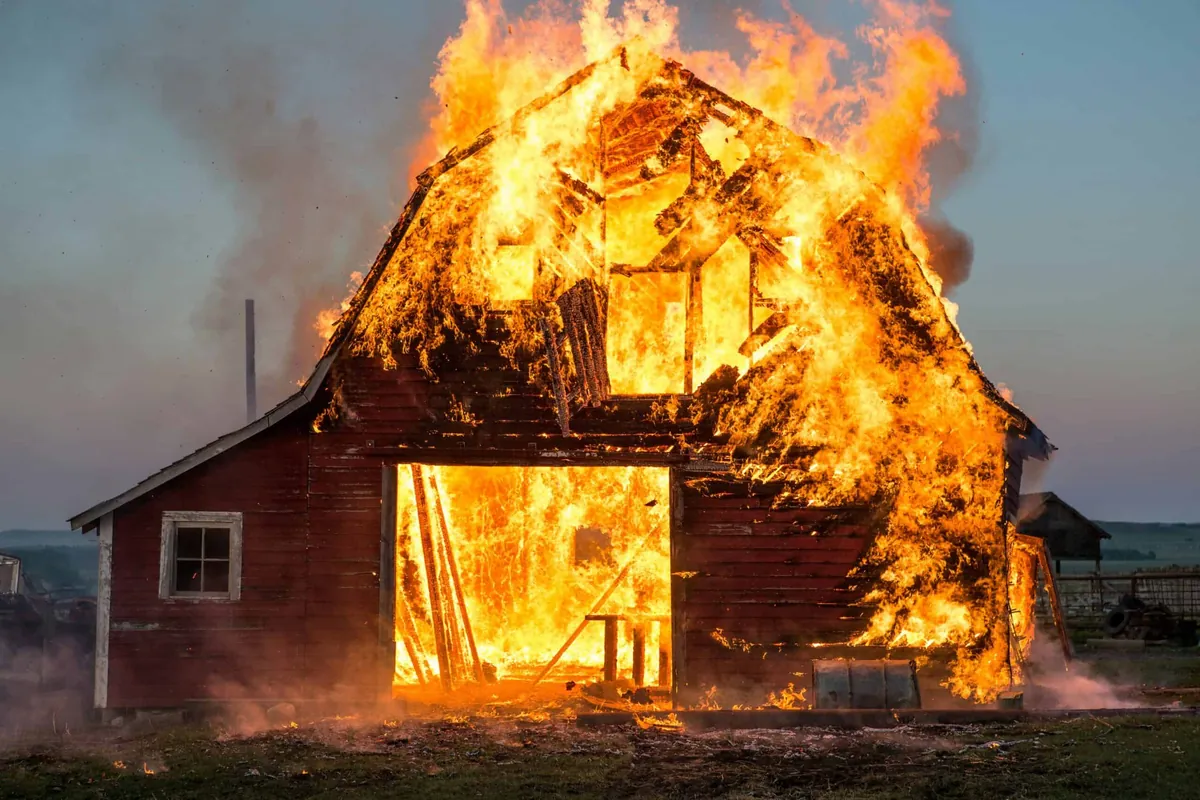
Electrical issues remain one of the most common ignition sources in large agricultural and storage structures. Bold fact: According to the National Fire Protection Association (NFPA), electrical failures account for nearly 20% of fires in commercial and agricultural buildings. Understanding what causes electrical fires in large storage buildings starts with recognizing overload conditions, damaged wiring, improper outlets, and unprotected circuits. Long wire runs, extension cord misuse, and unsealed junction boxes increase exposure. Bold fact: Voltage drop over long wire runs can reduce appliance efficiency and increase the risk of overheating by up to 15–20%.
Rodents and moisture also contribute to insulation breakdown. Bold fact: Studies show that rodent damage is responsible for up to 10% of electrical failures in rural storage buildings. Properly designed electrical layouts, grounded systems, and code-compliant installation are essential. Bold fact: Ground-fault circuit interrupters (GFCIs) and surge protection devices can reduce fire risk from faulty circuits by more than 50%. Planning circuits during design—rather than adding power later—reduces fire risk and improves long-term reliability.
Insulation, Heat, and Fire-Resistant Materials
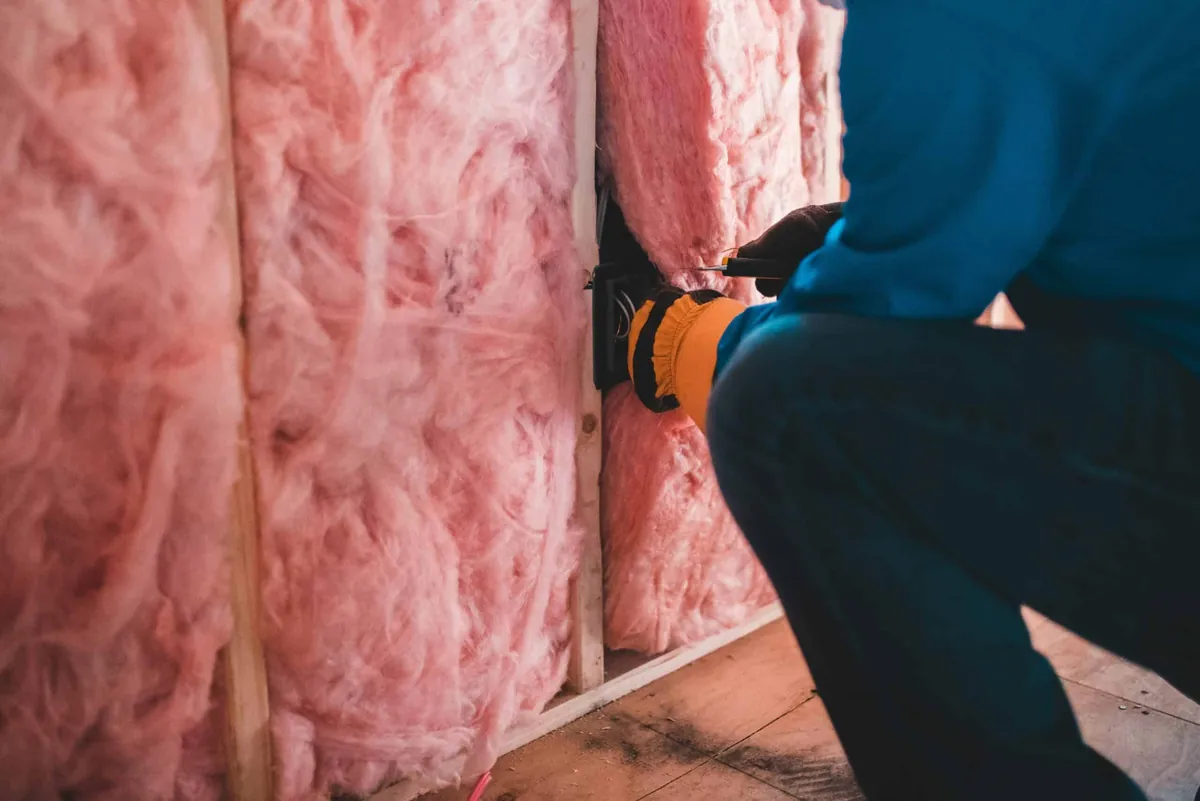
Insulation plays a dual role in safety and performance. Selecting fire-resistant insulation options for post-frame buildings helps slow flame spread and reduces toxic smoke production. Materials rated for fire resistance can limit heat transfer and delay structural involvement during a fire event.
Insulation choices also affectenergy efficiency, making them critical for both safety and operating costs. Improperly installed insulation, however, can trap heat around wiring or heaters, increasing ignition risk. Fire safety and efficiency must be considered together—not separately.
Heating Equipment and Ignition Control
Portable heaters, fuel-powered units, and temporary heat sources are common fire hazards in post-frame buildings. Following best practices for safe heater use in outbuildings means maintaining clearance from combustible materials, using properly vented systems, and avoiding unapproved fuel sources.
Permanent heating systems should be planned during construction to ensure safe exhaust routing and adequate airflow. Temporary heaters often bypass safety controls and are a frequent cause of structure fires. Integrating heat solutions into the original design minimizes risk and improves usability year-round.

Layout Planning and Fire Containment
A well-planned interior reduces how quickly fire spreads and improves response options. A fire-safe barn layout considers access paths, separation of high-risk zones, and unobstructed exits. Storage of fuels, equipment, and flammable materials should be isolated from electrical panels and heat sources.
Designing zones during planning—not after occupancy—allows for better containment strategies. Visual planning tools like the3D building designer tool help owners see traffic flow, storage density, and clearance issues before construction begins. This is especially important for mixed-use structures andpole barn houses, where residential and utility spaces coexist.
FAQ
What makes post-frame buildings different in terms of fire safety?Their open interiors allow heat and smoke to move faster, making layout and airflow especially important.
Are pole buildings more prone to fire than other structures?No, but poor electrical planning, heating misuse, and storage practices can increase risk if not addressed.
Can insulation really slow a fire?Yes. Proper insulation can delay heat transfer and reduce flame spread when fire-rated materials are used.
What electrical upgrades improve fire safety the most?Dedicated circuits, sealed junction boxes, proper grounding, and avoiding extension cords for permanent use.
Are heaters safe in post-frame buildings?They can be when permanently installed and properly vented. Temporary heaters pose higher risks.
Does building layout really affect fire spread?Yes. Clear zones, separation of hazards, and accessible exits all reduce fire escalation.
Should fire safety be considered during design or after construction?Design stage decisions have the greatest impact and are more cost-effective.
Do visual planning tools actually help with safety?Yes. Seeing layout and flow reduces blind spots and unsafe storage decisions.